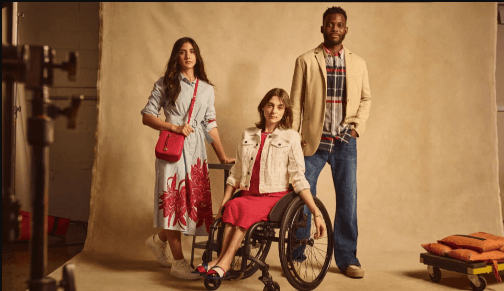
Adaptive fashion centers on clothing that respects mobility, dexterity, and access needs without sacrificing style. It emphasizes intuitive closures, adjustable fits, and durable, low-waste materials. The aim is independence, dignity, and confidence for everyday life. Real stories inform design, while capsule wardrobes and modular pieces support routine and personalization. The conversation asks how thoughtful solutions reshape wardrobes and daily rituals, inviting further exploration into what makes fashion truly accessible for all.
What Adaptive Fashion Is and Why It Matters
Adaptive fashion refers to clothing designed to accommodate varying mobility, dexterity, and access needs, making dressing easier without sacrificing style. It highlights inclusive access as a central aim, allowing individuals to participate fully in daily life. By prioritizing sensory compatibility and ease of use, it reduces frustration, expands choice, and reinforces autonomy, dignity, and confidence for wearers navigating diverse abilities and environments.
Design Principles That Make Clothing Accessible
Design principles for accessible clothing center on clarity, adaptability, and user comfort. The approach favors intuitive construction, adjustable fits, and minimal effort dressing, reducing cognitive load and physical strain. Materials should be durable and low-waste, such as recycled materials. Quick fastening closures enable independence without sacrificing security. Designers balance aesthetics with function, ensuring dignity, inclusivity, and freedom in everyday wardrobe choices.
Real Stories: People Shaping the Adaptive Wardrobe
Real stories illuminate how adaptive fashion unfolds in daily life, revealing the ingenuity and resilience of people who navigate clothing challenges with creativity and purpose. Individuals share practical progress, testing designs to ease dressing and restore autonomy. Designing inclusive closures emerges as a shared focus, while transforming mobility wear demonstrates how function and style converge, empowering wearers to move with confidence and choice.
How to Build a Functional, Personal Capsule Wardrobe
A functional, personal capsule wardrobe centers on essentials chosen for comfort, ease of use, and versatility, built around the wearer’s daily routines and preferred styles. The approach emphasizes thoughtful curation over trendiness, prioritizing adaptive fabrics and durable, easy-care items. Inclusive closures enable independent dressing, while modular pieces support quick outfit changes, fostering autonomy and confidence without sacrificing personal expression.
Frequently Asked Questions
How Can Adaptive Fashion Address Sensory Sensitivities in Fabrics?
The answer: Sensory friendly fabrics can be selected and tested to minimize irritants, while fabric softness customization allows adjustable textures, ensuring comfort across sensitivities. This approach fosters autonomy, dignity, and freedom through thoughtful, empathetic material choices and wearability.
Which Certifications Indicate Accessible Clothing Quality and Safety?
Certifications indicate accessible quality and safety; certification standards guide expectations, while fabric safety ensures comfort and reliability. Certification standards validate fit, durability, and inclusivity; fabric safety confirms non-toxicity, abrasion resistance, and ongoing wearer confidence for a freer, informed choice.
How Can Caregivers Participate in Choosing Adaptive Outfits?
Caregivers participate by observing preferences, assessing ease of dressing, and validating comfort. They engage in caregiver collaboration to share observations, try outfit selection strategies, and empower the individual with autonomy while prioritizing dignity, safety, and expressed style.
What Affordable Options Exist for Budget-Friendly Adaptive Wardrobes?
Affordable options exist via thrift finds, community swaps, and upcycled pieces, forming budget friendly wardrobes. Sensory fabrics and mobility friendly designs meet needs, with accessible certifications. Caregiver participation shapes choices, enabling freedom through practical, empathetic fashion.
See also: Professional Online Platform 285201141 for Efficiency
How Do Adaptive Designs Support Mobility Devices and Aides?
Adaptive designs support mobility devices and aids by enabling wardrobe adaptations that accommodate braces, wheelchairs, and prosthetics; sensory fabrics and fabric textures ease dressing, while caregiver involvement guides outfit selection, ensuring affordable options, budget wardrobes, and clear certifications or quality marks.
Conclusion
In a world of precision and pain, adaptive fashion offers ease without erasing identity. Accessibility and style stand side by side, like two faces of the same wardrobe: one bright with function, one intimate with expression. Difficult closures become quiet victories, and modular pieces turn daily routines into small triumphs. Yet fashion remains about belonging—an invitation to participate, not perform. Juxtaposing independence with connection, the conclusion is simple: clothes should empower as they style.